
Introduction
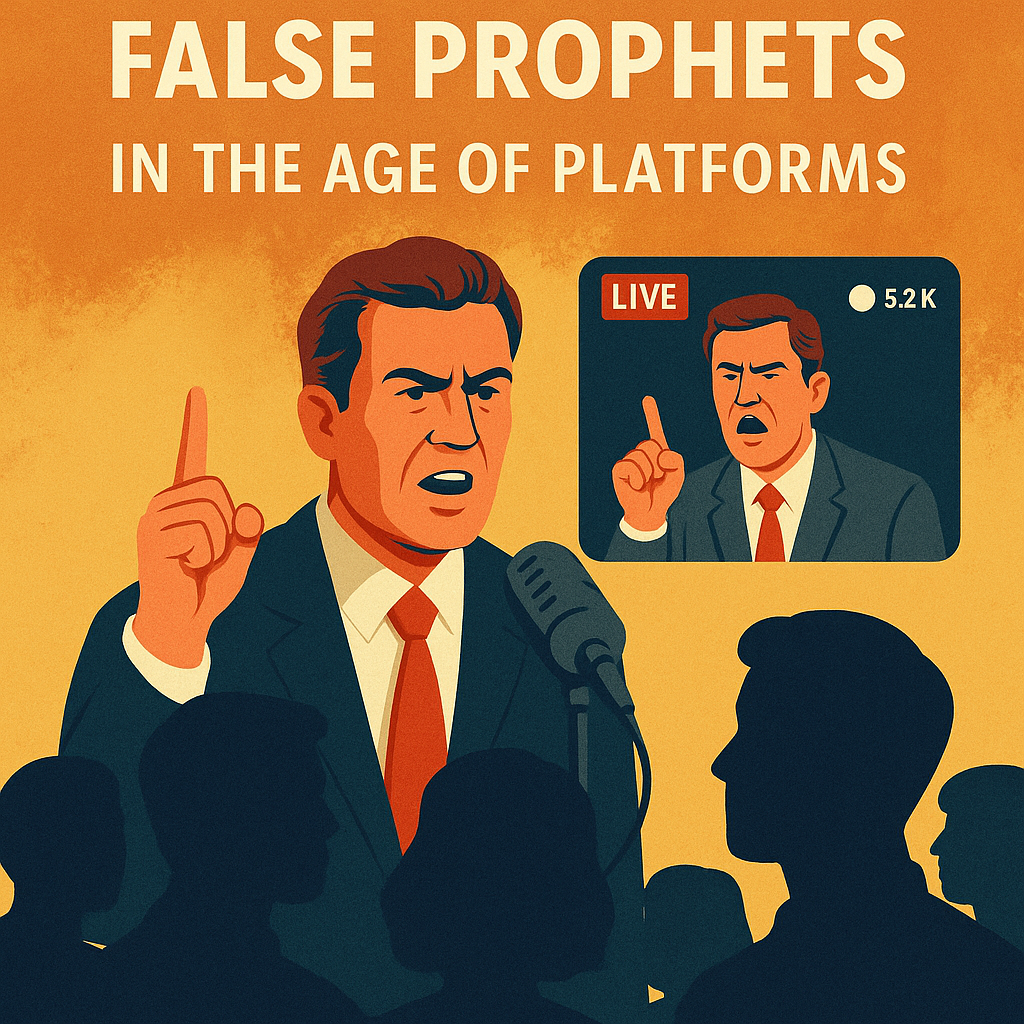
We live in a time where anyone with a phone and Wi-Fi can become a spiritual authority. Social media has democratized influence. Sermons, prophecies, and teachings are just a swipe away. While this has helped spread the gospel, it has also opened the floodgates to error, manipulation, and deception.
False prophets are not new. But what makes them more dangerous today is how quickly they can gain followers, build platforms, and appear credible. If we’re not discerning, we can mistake charisma for anointing, or popularity for truth.
What Does the Bible Say About False Prophets?
Jesus warned about false prophets multiple times. In Matthew 7:15, He said, “Watch out for false prophets. They come to you in sheep’s clothing, but inwardly they are ferocious wolves.” Paul echoed this in Acts 20:29–30, warning the church that “savage wolves will come in among you and will not spare the flock.”
False prophets:
- Appear spiritual but lack true fruit
- Use Scripture selectively to support their agenda
- Often draw attention to themselves more than to Christ
1 John 4:1 urges us: “Do not believe every spirit, but test the spirits to see whether they are from God.”
Characteristics of False Prophets Today
1. They prioritize visibility over accountability.
Many online prophets operate without spiritual oversight. They answer to no church, no elder, no body of believers. This creates a dangerous environment where false teaching can spread unchecked.
2. They focus heavily on prosperity and personal breakthrough.
While God does bless, many false prophets reduce the gospel to a formula for wealth or success. Messages become centered on financial sowing, miracles on demand, and self-glorification.
3. They use fear and urgency to manipulate.
“God told me something terrible is coming—only those who sow a seed will be protected.” These kinds of statements are spiritual blackmail. God does not use coercion.
4. They rarely preach repentance.
True prophets call people back to holiness, obedience, and humility. If a platform never challenges sin or never speaks of the cross, be cautious.
5. They contradict Scripture.
Some teachings sound good but twist or ignore biblical context. Always ask: Does this align with the full counsel of God’s Word?
How to Discern With Wisdom
Know the Word. You can’t test a message if you don’t know the truth. Be like the Bereans in Acts 17:11, who “examined the Scriptures every day to see if what Paul said was true.”
Watch the fruit. Jesus said, “By their fruit you will recognize them” (Matthew 7:16). Are they producing love, humility, and truth or confusion, control, and pride?
Check their community. Are they submitted to spiritual leadership? Do they live out what they preach? Who vouches for their character?
Be cautious with emotional hype. Not everything that moves you is from God. The Holy Spirit does more than stir feelings—He reveals truth and brings transformation.
Ask the Holy Spirit for discernment. God is not silent. James 1:5 says If we lack wisdom, we can ask, and He will give it generously.
Final Thoughts
Not every preacher, prophet, or influencer with a large following speaks for God. In the age of platforms, discernment is not optional—it’s essential. We don’t need to walk in fear, but we must stay grounded in the Word, surrounded by godly counsel, and sensitive to the voice of the Spirit. Truth doesn’t trend—but it stands.